


Our solutions for tomorrow's health, nature and wellbeing
You are facing complex challenges from:
making agricultural systems more sustainable
addressing certain public health challenges
developing innovative pharmaceutical solutions
or in reducing the environmental impact of your activities
At Proxis Développement, we transform science into sustainable, industrially viable solutions through a rigorous selection of scientific projects.
This forms part of our commitment to the One Health initiative, which guides our actions to conserve water, respect nature, support sustainable food systems and innovate for better health.
Neutralising virulence without destroying bacteria
discover Gene&GreenTKAntibiotics enabled widespread cures throughout the 20th century, but their widespread use has led to a global challenge: antibiotic resistance.
In partnership with the deep-tech start-up Gene&GreenTK, Proxis Développement is developing enzymatic solutions capable of blocking bacterial virulence without eliminating the bacteria. Thanks to the principle of quorum quenching, bacterial communication is disrupted, thus becoming harmless.
This type of solution limits the emergence of resistant strains, opening up alternatives to the use of conventional antibiotics.
Practical applications:
La diversification maîtrisée des activités
L’intégration progressive de la chaîne de valeur pour des ingrédients robustes et innovants
L'internationalisation progressive.

Agriculture
crop protection without the use of plant protection products

Animal nutrition
reducing the use of antibiotics in livestock farming

Water treatment
control of bacterial biofilms and water decontamination
"
We transform our understanding of microbiology into practical tools to protect the health of humans, animals and crops. This is the case, for example, with our product Vesu BACT: thanks to an enzyme, lactonase, which breaks down signalling molecules, chemical communication between virulent bacteria is interrupted, thereby preventing the formation of biofilms. This technology can be applied in particular to crop protection and animal nutrition. "

Gene&GreenTK
David DAUDé, PhD, GGTK
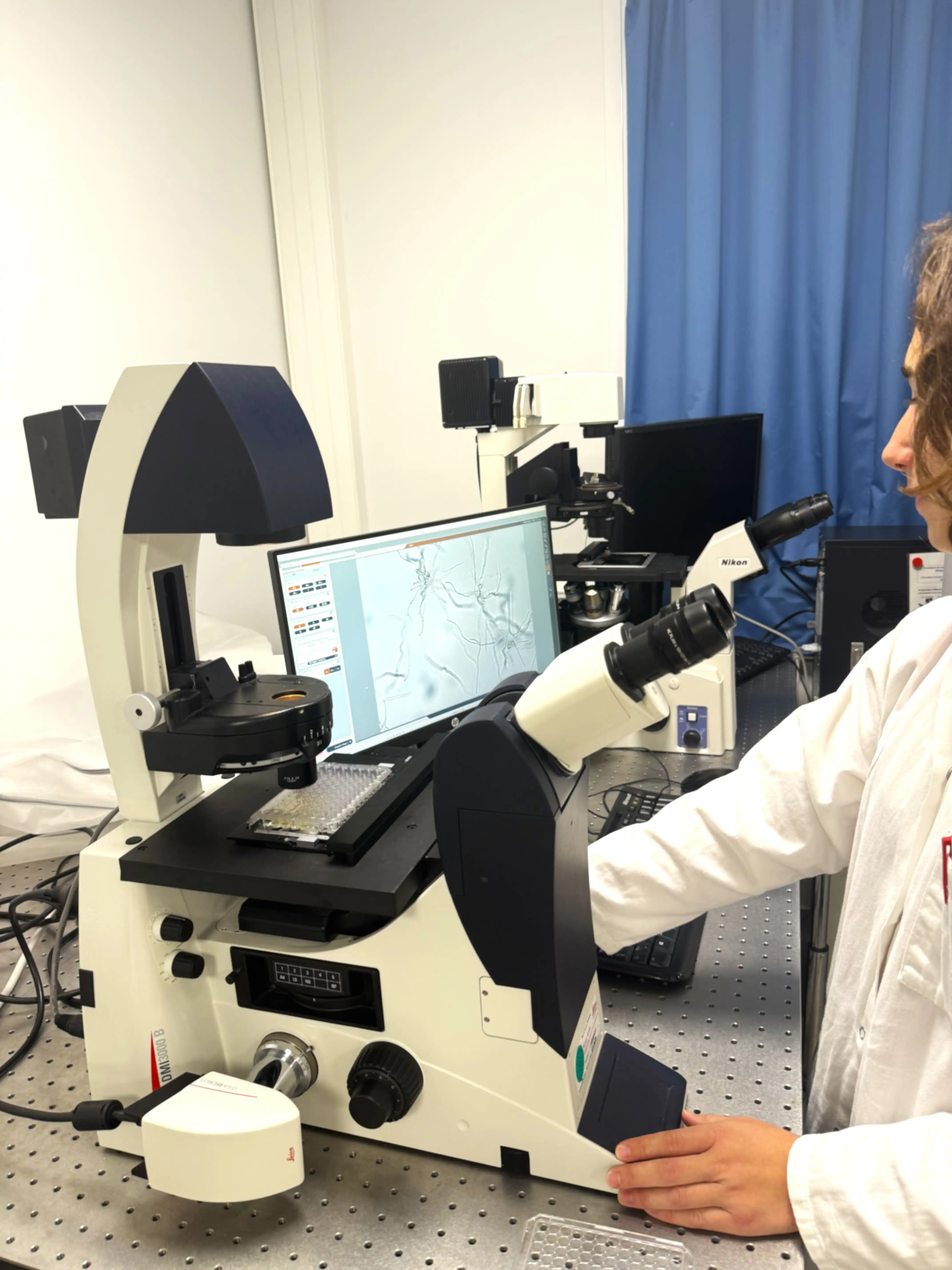
GGTK in pictures



Microbes working for plants
discover Cybele-AgrocareFaced with the volatility of fertiliser prices and environmental requirements, we have chosen, at Proxis, to invest in PGPR (Plant-Growth-Promoting-Rhizobacteria). these soil bacteria which live close to the roots, stimulate plant growth.
Some of our PGPRs, carefully selected in the laboratory, enable us to:
Biologically fix nitrogen present in the air,
Reduce the use of mineral fertilisers, whilst maintaining the same yield,
Stimulate plant root development,
Improve water and nutrient uptake,
Contribute to soil biological regeneration and carbon sequestration.
"
We support farmers in producing more and better, whilst respecting the environment and soil resilience. For example, globally it is estimated that only 10 to 40% of applied ammonium nitrate is actually absorbed by plants, with the remainder being washed away in water or volatilised into the atmosphere. Thanks to soil bacteria selected to produce a key enzyme, nitrogenase, atmospheric nitrogen (N₂) is converted into ammonium (NH₄⁺), a form of nitrogen that can be immediately taken up by crops. »

Nina Vinot
business developpement manager at Cybele-Agrocare
– graduate of AgroParis tech
Analysed nanocrystals, optimised products
discover HolodiagIn pharmaceuticals, the crystalline form of an active ingredient directly determines its bioavailability and therefore its efficacy. Structural characterisation traditionally relies on X-ray diffraction (XRD), a technique requiring micrometre-sized crystals.
For nanometre-sized crystals (10 to 1,000 nm), a rare technology enables us to go further: the ELDICO ED-1 electron diffractometer. It enables:
La diversification maîtrisée des activités
L’intégration progressive de la chaîne de valeur pour des ingrédients robustes et innovants
L'internationalisation progressive.
the rapid determination of molecular structures
the elucidation of chirality,
the screening of polymorphs, salts and co-crystals,
significant time savings and increased reliability during the development phases.
"
As the world’s first dedicated electron diffractometer, the ELDICO ED-1 represents a major breakthrough for pharmaceutical solid-state chemistry. Thanks to this tool, we are unlocking access to more effective and safer formulations and accelerating the market launch of new treatments. We are the first in Europe to have acquired it, in order to strengthen the scientific expertise of our subsidiary Holodiag and to support the activities of Icrom, the pharmaceutical division of Proxis Développement. "

Pierric MARCHAND,
PhD, CEO of Holodiag

